
Have you been diagnosed with TMJ or TMD, or are you experiencing jaw discomfort, clicking, or difficulty opening your mouth?
The temporomandibular joints (TMJs) are the two joints just in front of your ears that connect your lower jaw (mandible) to your skull. These joints work together with your jaw muscles/ligaments to allow you to speak, chew and open and close your mouth.
Temporomandibular disorders (TMD) is the term used to describe a group of conditions affecting these joints, the surrounding muscles, or both.
People with TMD may experience one or more of the following symptoms:
- Jaw pain /Jaw locking
- Clicking, popping, or grating sounds when opening or closing the mouth
- Difficulty opening the mouth fully or a feeling that the bite has changed
- Pain when chewing or around the ears, face, or temples
- Frequent headaches, neck or shoulder discomfort
These symptoms can also be associated with other conditions, which is why a comprehensive dental examination is recommended before treatment is considered.
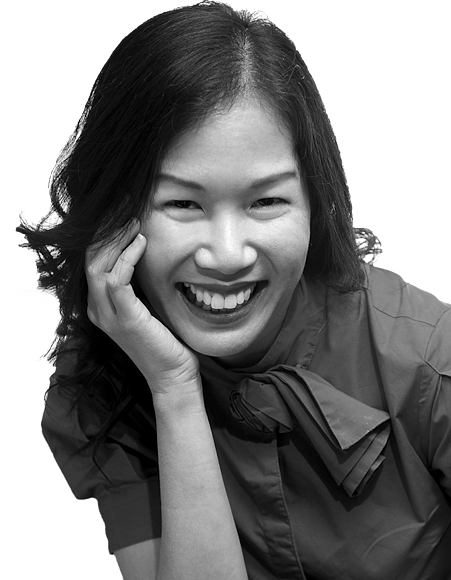
Jaw pain and temporomandibular disorders (TMD) can have a range of contributing factors, which is why a thorough assessment is an important first step. Dr. Vicky Ho takes the time to understand your symptoms, examine your jaw function, and identify any dental or muscular factors that may be contributing to your condition.
Rather than taking a one-size-fits-all approach, Dr. Ho develops personalised treatment plans based on your individual diagnosis, symptoms, and treatment goals. Depending on your clinical findings, your management plan may include one or more treatment options, such as a custom dental appliance (occlusal splint), dental treatment, neuromuscular therapy, or botulinum toxin treatment where clinically appropriate.
Whether your symptoms are recent or have been ongoing for some time, Dr. Ho and her team are committed to providing personalised, evidence-informed dental care in a welcoming and supportive environment.

Cosmetic Dentistry
Cosmetic dentistry offers a range of treatments that may change the appearance of your teeth and smile. Dr Ho performs a variety of cosmetic dental procedures and can work with you to create a personalised treatment plan that considers your oral health, needs, and preferences. In some cases, more than one procedure may be recommended to address your goals. The cosmetic dental services Dr Ho offers include:
Dental Implants
Missing teeth can affect appearance and chewing function. In the past, dentures or bridges were common treatment options. Today, dental implants to replace missing teeth* are another option that may be suitable for some people. Dr Ho can assess your oral health, discuss whether implants are an appropriate option for you, and explain what is involved in the procedure, including possible risks, benefits, and alternative treatments.

General Dentistry
Dr Ho provides dental care for patients of all ages, offering a range of general, emergency, and restorative dental services. As your primary dental care provider, she can assess and help manage your oral health needs, and provide advice on maintaining healthy teeth and gums. For patients who experience dental anxiety or have difficulty undergoing dental treatment, sedation options may be available. Dr Ho can discuss these options with you, including potential risks and suitability, during your consultation. Other general dental services she offers include:

TMJ & Headache Relief
Do you experience frequent headaches, jaw pain or clicking? These may be associated with TMJ (temporomandibular joint disorder). A comprehensive assessment, including appropriate diagnostic methods, can help determine the possible cause of your symptoms. Depending on your diagnosis, Dr Ho may recommend a dental appliance, neuromuscular therapy or other treatment options that are appropriate for your individual needs.
*The stock images used are for illustrative purposes only and do not represent actual patient outcomes. Results vary from person to person. Any surgical or invasive procedure carries risks. Before proceeding, you should seek advice from an appropriately qualified health practitioner.
- Limit 1 per person and subject to availability
- Must be 18 years of age or older to use vouchers
- Includes a Free Smile Assessment which must be face to face.
- Whitening Smile Deals ™ price includes
- Before and after written instructions
- Before and after photos
- 4 (four) applications for 15 minutes each of Philips Zoom ™ whitening gel as per the recommendations
- Relief gel for after home care.
- Does not include a general dental check-up and clean but can be used with other Smile Deal vouchers such as $199 check-up and clean or the Smile Deal ™ Invisalign voucher for $6500
- 24 hour cancellation notice is required if you need to change your appointment time
Any surgical or invasive procedure carries risk. Before proceeding, you should seek a second opinion from an appropriately qualified health practitioner. This offer may change without notice.